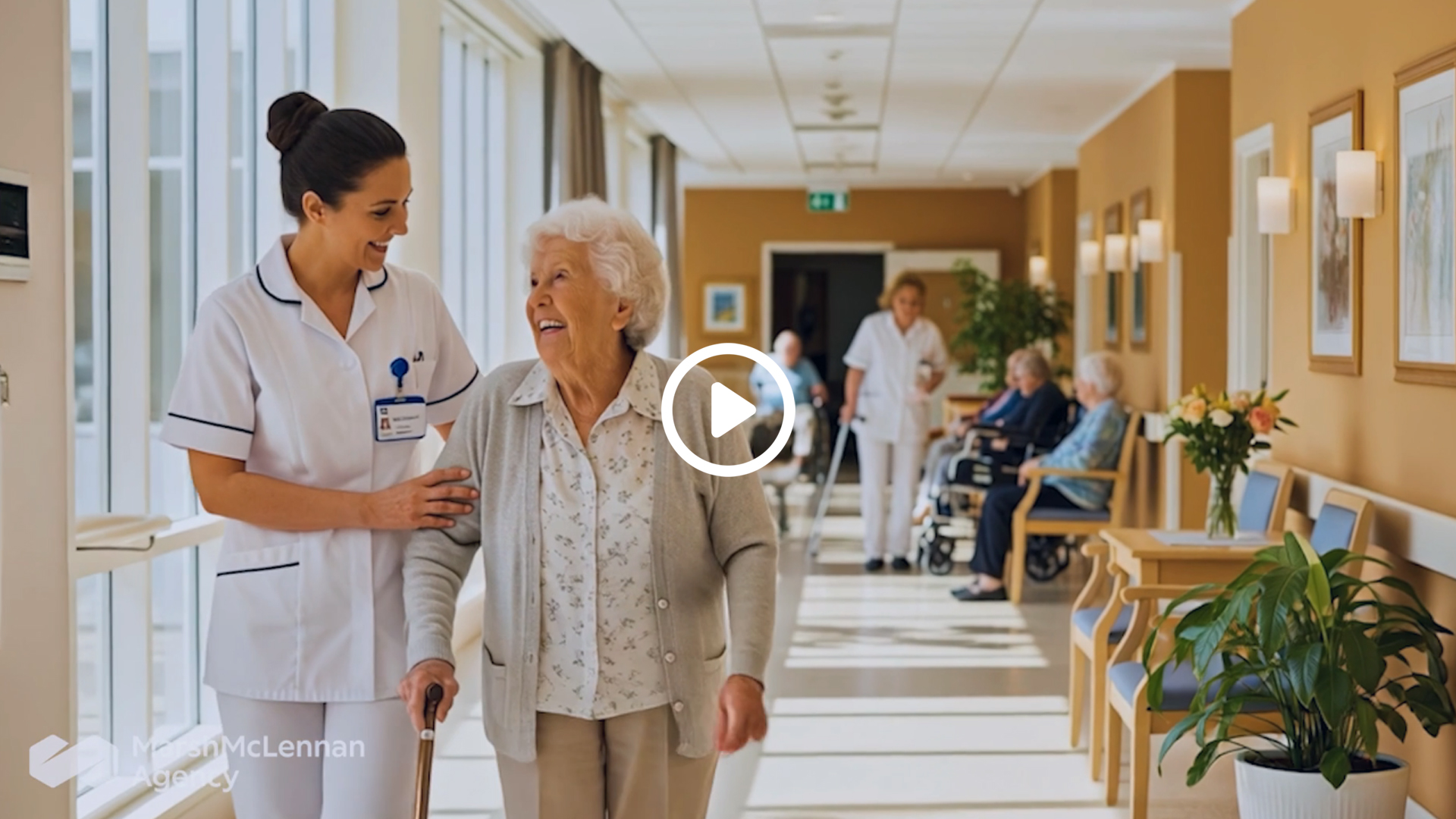
 Working in senior living centers is a deeply rewarding profession, but it also comes with significant emotional and physical challenges. Staff members often dedicate themselves wholeheartedly to caring for residents, yet this dedication can lead to serious mental health issues such as compassion fatigue and burnout. Recognizing and addressing these issues is essential, not only for the well-being of staff but also for the quality of care residents receive.
Understanding compassion fatigue
Compassion fatigue is a state experienced by those helping individuals in distress. It manifests as an extreme preoccupation with the suffering of others, leading to emotional exhaustion and secondary traumatic stress. Staff experiencing compassion fatigue may find themselves blaming others excessively, withdrawing socially, or feeling overwhelmed by bottled-up emotions. They might also notice an increase in complaints from others or develop unhealthy coping mechanisms. Poor self-care and neglecting personal needs are common signs.
To help staff reduce compassion fatigue, encouraging self-care practices are essential. Employers can promote regular exercise, healthy eating habits, and participation in social activities to help staff restore emotional balance. Supporting journaling, practicing mindfulness or grounding techniques, and restful sleep are also effective strategies. Therapy or community support benefits can help staff process their feelings in a safe environment.
Recognizing and addressing burnout
Burnout differs from compassion fatigue in that it is a cumulative response to prolonged workplace stress rather than trauma related. It often develops gradually, characterized by emotional exhaustion, frustration, and withdrawal. Staff experiencing burnout may feel anxious or depressed, withdraw from social interactions, and become less engaged in their work. Physical signs such as weight changes, insomnia, or persistent fatigue are also common.
Addressing burnout requires a proactive approach. Seeking professional mental health support and communicating needs with trusted colleagues or support systems are crucial steps. In addition to external support, supporting employees’ personal self-care is equally important for maintaining overall well-being. Encouraging self-compassion, stress management, and participation in activities that bring joy can help rebuild resilience. Promoting a healthy diet, regularly exercising, and adequate sleep can also help build employees’ well-being. Importantly, giving employees personal time off to engage in hobbies or activities that foster happiness can make a significant difference.
The role of community support
Creating a supportive community within senior living communities is essential for maintaining staff mental health. Implementing mental health training programs can raise awareness, reduce stigma, and equip staff with tools to manage stress effectively. Peer support initiatives foster a sense of camaraderie and shared understanding, providing emotional outlets for staff facing ongoing challenges.
Regular mental health assessments can help identify early signs of stress and burnout, enabling timely intervention. Wellness programs that focus on mindfulness, physical activity, and overall well-being can enhance staff resilience. External partnerships with Employee Assistance Programs (EAPs) and mental health organizations can further strengthen support networks, ensuring staff have access to resources when needed.
The impact on residents
Investing in staff mental health has a ripple effect that benefits residents as well. When staff are supported, engaged, and emotionally healthy, they are better equipped to provide compassionate, attentive care. Training staff on mental health awareness not only reduces workplace stress but also creates a more positive environment for residents, fostering a culture of empathy and understanding.
Discover how our dedicated wellness team can provide tailored mental health solutions designed to support your senior living staff.