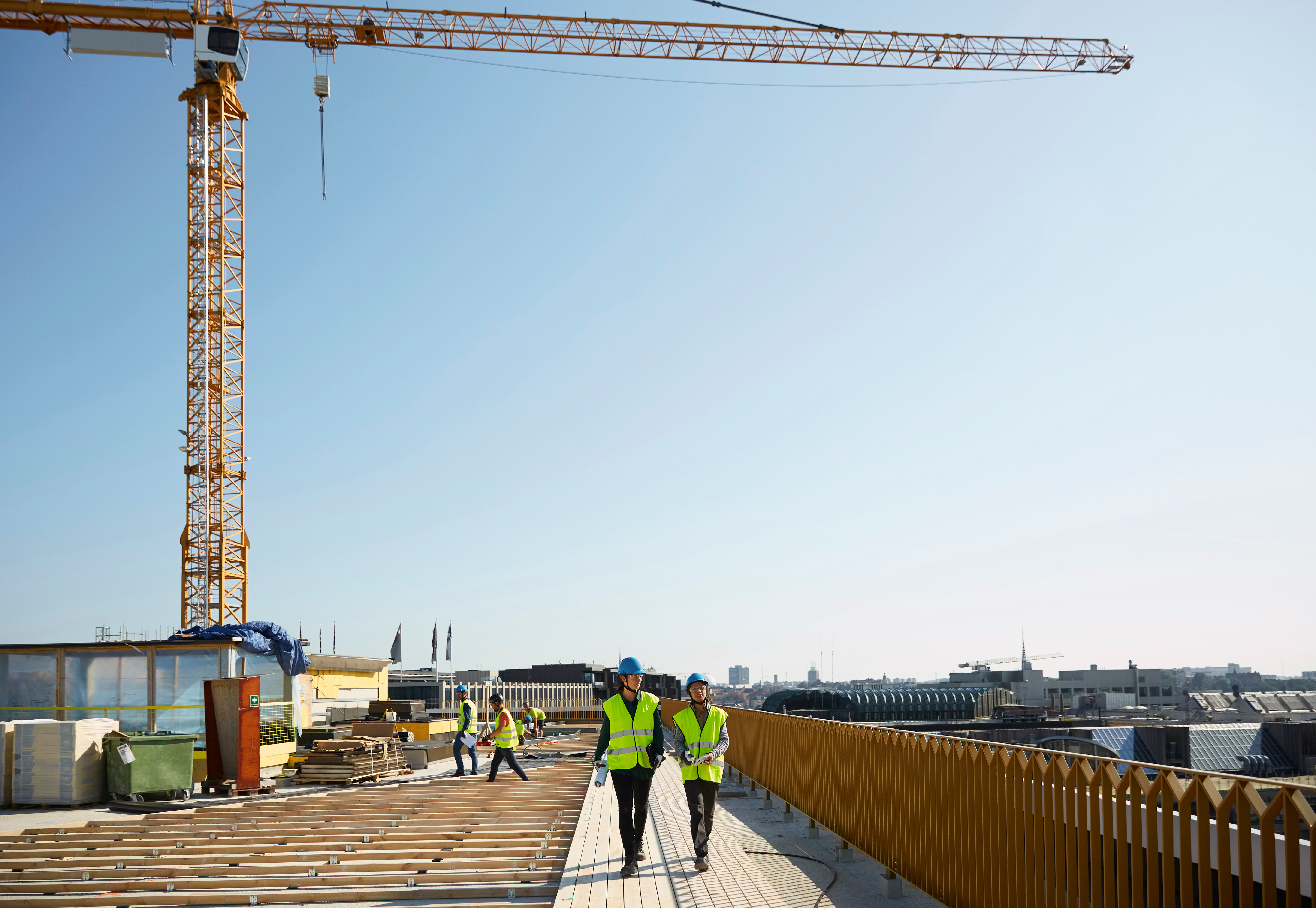
 Construction sites are inherently dynamic and high‑risk environments, which makes maintaining a strong safety focus essential at all times. When an accident occurs, the immediate priority is always the injured person: provide appropriate medical attention without delay.
Once the injured person’s immediate needs are addressed, attention should turn to securing the area. It’s essential to control the scene so that evidence and people aren’t exposed to further harm. Use tape, barricades, or physical barriers to prevent entry, isolate hazards (electrical, fall exposure, hazardous materials), and keep only authorized personnel inside the perimeter until initial documentation is complete.
Begin the investigation promptly—while conditions and memories are fresh. Perishable evidence on a construction site (tool positions, scaffold configurations, fresh skid marks, surface contamination) degrades quickly, and witnesses’ recall fades. Identify and interview witnesses as soon as you can. Structure interviews around who, what, when, where, why, and how. Capture signed, written statements from witnesses and also obtain a signed statement from onsite workers who did not witness the incident, confirming they had no direct knowledge—this helps prevent later contradictions.
Thorough documentation is the backbone of a defensible construction accident investigation. Record at a minimum:
- Person(s) injured, visible injuries observed on site, and whether emergency services were called
- Date, time, and precise location (e.g., level, gridline, bay)
- Emergency contacts notified and supervisory personnel present
- All contractors, subcontractors, and visitors on site at the time
- Activities in progress and what the injured worker was doing
- Who was directing or supervising the work
- PPE in use and PPE provided/available
- Environmental and weather conditions
- Ownership of tools, plant, or equipment involved
Preserve and photograph the scene extensively. Take wide shots for context, mid‑range shots for work positioning, and close‑ups of hazards, equipment serial numbers, PPE condition, fall protections, control panels, and visible injuries. Capture different angles and distances. Label photos with date/time and a short caption. Physical evidence—tools, guards, tags—should be preserved where possible or removed and stored with a chain‑of‑custody note.
Root‑cause analysis on construction sites must go beyond the accident. Ask why the hazard existed: inadequate training, flawed procedures, supervision gaps, equipment maintenance, subcontractor coordination, schedule pressure, or permit noncompliance. Use a simple method (5 Whys, fault tree) to link proximate events to system‑level causes and to develop corrective actions.
Conclude with a clear, objective accident report summarizing findings, witness statements, photographic evidence, root causes, and specific corrective actions with assigned owners and deadlines. Follow up to verify implementation and effectiveness. A timely, disciplined investigation not only protects workers and limits liability but also delivers practical lessons that make the site safer for everyone.
For tailored ways to properly protect your construction site, contact an MMA consultant.