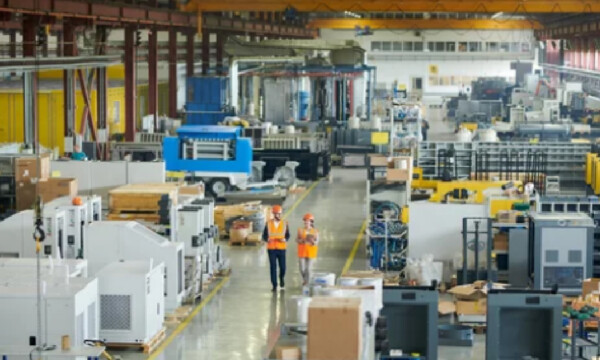
 While environmental risks vary by operation, many manufacturers face common exposures related to permitting, waste management, air emissions, wastewater discharge, chemical storage and regulatory reporting. For machine shops, metal fabricators and chemical operations, understanding where these risks exist can help you reduce compliance issues, protect operations and avoid costly surprises.
Key areas to watch
- Manage hazardous waste properly: Understand how materials should be classified, labeled, handled, stored and disposed of according to regulations. Even routine waste can cause problems if documentation or disposal practices aren’t properly maintained.
- Assess air emissions and permitting requirements: Manufacturing processes may release volatile organic compounds, hazardous air pollutants, particulate matter, or greenhouse gases. Depending on your operations, you may need permits, emissions inventories, recordkeeping or ongoing monitoring.
- Review wastewater and stormwater compliance: Cleaning, processing, finishing, outdoor storage and runoff can create discharge concerns. Facilities may need to review industrial discharge permits, stormwater controls and reporting requirements to help avoid regulatory issues.
- Update spill prevention and response plans: Don’t treat spill plans as a “set it and forget it” task. Keep prevention and response plans updated, train employees, and have clear reporting procedures. When incidents happen, quick responses and documentation matter.
- Maintain accurate chemical inventories and reporting: If your facility is subject to EPCRA, SARA Tier II, or TRI reporting, keep accurate inventory and understand your reporting requirements. This helps avoid last-minute rushes, incomplete filings, and penalties.
Why environmental risk is also a business risk
Environmental compliance isn’t just about avoiding fines. It can impact on operating costs, insurance claims, contracts, lender relationships, and regulatory trust. Weak documentation or inconsistent compliance can lead to higher costs during audits, transactions, renewals, or claims.
The challenge is that many manufacturers have limited resources for environmental compliance. They are often focused on production, staffing, and supply chain pressures, so compliance tasks can get delayed until inspections or deadlines. Unfortunately, risks don’t wait—they show up at the worst times.
How you can strengthen your risk strategy
You can reduce risk by building a consistent environmental risk management process, including:
- Reviewing permits, licenses, and reporting requirements
- Keeping chemical inventories and waste documentation current
- Updating spill prevention and emergency response plans
- Reviewing manifests, bills of lading, and disposal costs
- Training employees on hazardous waste, stormwater, DOT HazMat, and spill response
- Conducting regular facility reviews to find gaps before regulators do
The goal is not just to react when something goes wrong. It’s to understand where risks exist, document controls and build a process that protects your business before small issues become costly problems.
Managing risks can be a complex task, as some may be hidden or difficult and expensive to manage. That’s why it can be beneficial to work with specialists who have a deep understanding of your industry and risk management strategies. Our environmental team can help you identify, measure, and reduce environmental risks through operational strategies, transactional liability solutions, legacy risk assessments, and emerging risk approaches. We can also help address coverage gaps, simplify applications and underwriting, support liability protection for project subcontractors, and minimize the financial impact of severe pollution losses.
If you have any questions, please contact us or talk with your Marsh McLennan Agency advisor to better understand your risks and identify strategies to help protect your business.