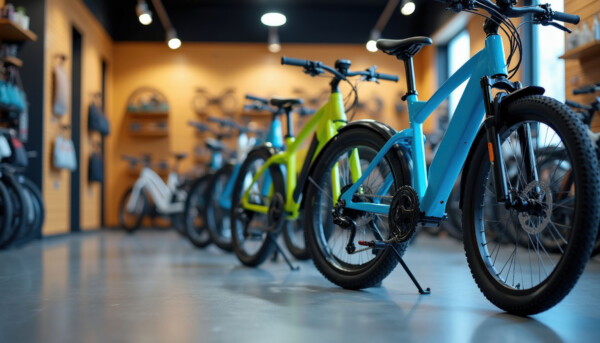
 E-bikes and e-scooters have become a convenient part of everyday life. They are used to commute, run errands, and move around cities more easily. But as these devices become more common, they are also raising new concerns for multifamily and commercial property owners—especially regarding insurance and fire safety.
One of the biggest issues is the lithium-ion battery. These batteries can overheat, fail, or catch fire, and when that happens, the fire can spread quickly. In some cases, lithium-ion battery fires are harder to extinguish than other types of fires. The risk is even greater when batteries are damaged, modified, or charged in spaces not designed for that purpose, such as hallways, lobbies, storage rooms, or apartments.
Because of this, insurance carriers are paying closer attention to how e-bikes and e-scooters are stored and charged. During underwriting or renewal discussions, carriers may ask whether the building has designated storage areas, whether charging is allowed indoors, and what policies are in place to reduce fire risk. They may also want to know whether tenants or employees are using approved chargers and batteries, and whether the building has rules around where these devices can be kept.
For property owners, the key is to show that these risks are being managed. A good starting point is to create clear written policies for storage and charging. If possible, designate specific areas for e-bike and e-scooter storage that are separate from escape routes, electrical rooms, and other high-risk areas. Indoor charging should be limited or prohibited unless the space is specifically designed for that purpose and properly protected.
It is also wise to encourage the use of UL-certified batteries and chargers. These products have been tested to meet recognized safety standards and can help reduce the chance of battery failure. Owners should also remind tenants and employees not to use damaged batteries, altered equipment, or low-quality replacement parts.
Communication matters, too. Posting simple rules, adding lease language, and including battery safety guidance in building policies can help set expectations. If the building has security or maintenance staff, make sure they know what to look for and how to respond if they spot unsafe charging behavior.
The bottom line is that e-bikes and e-scooters are here to stay, and property owners should plan for them accordingly. By setting clear rules, limiting indoor charging, and taking battery safety seriously, you can help protect your building, support safer operations, and present a stronger risk profile to insurers.
To learn if your building is properly protected against e-bikes and e-scooters, contact an MMA consultant today.